Jean Prouvé (1901 – 1984) was a French builder, architect and designer, one of the great inventors of structures of the 20th century.
The son of the painter and sculptor Victor Prouvé, a figure of the École de Nancy, he grew up in Nancy and trained as an art metalworker, notably with Émile Robert. He opened his first workshop in the 1920s and worked with the great modern architects, from Mallet-Stevens to Le Corbusier. In other words, he approached architecture through material and the workshop, not the drawing board.
With Eugène Beaudouin and Marcel Lods, he developed façades made of sheet steel panels that heralded the modern curtain wall. In 1947 he set up his workshops in Maxéville, near Nancy, where he produced furniture, demountable houses, doors, windows and façade panels, before continuing his work as a builder in Paris.
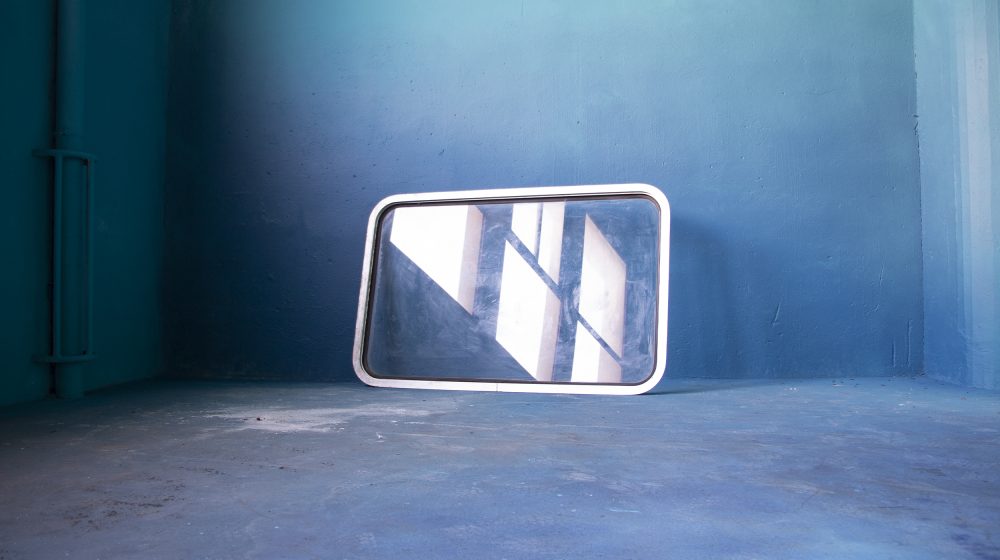
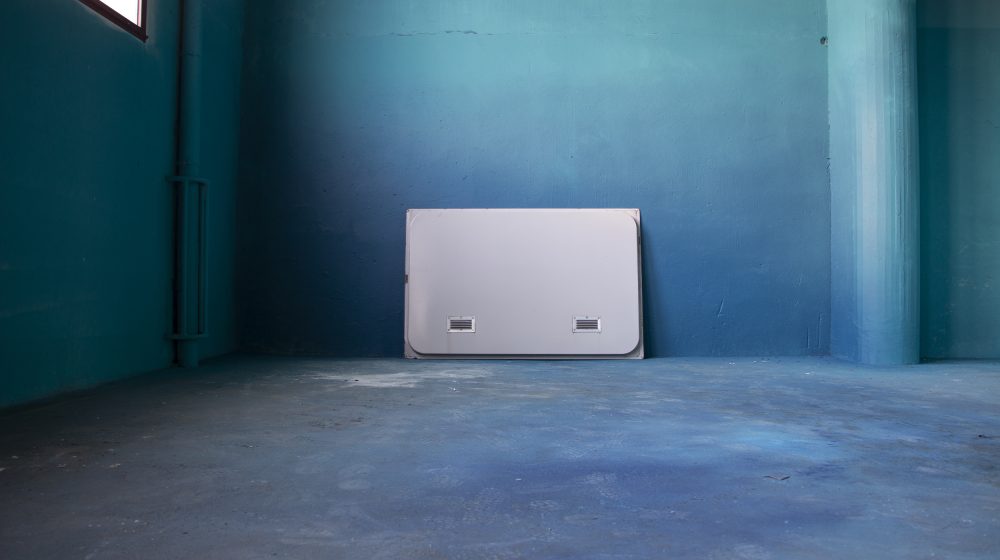
His porthole windows and façade elements in aluminium or folded sheet metal are now sought after as true design objects, testimony to his industrial thinking.
Choosing a piece by Jean Prouvé means owning a fragment of architecture signed by one of the great inventors of modernity.
Portrait: Rob Croes / Anefo, CC0, via Wikimedia Commons.