


Florence Knoll (1917 – 2019) was a woman who did not simply follow the modern design movement: she structured it, organised it and made it self-evident.
Her story began early, and not in the simplest way. Orphaned at a young age, she was sent to the Cranbrook Academy of Art in the 1930s. That is where everything changed. She met Eliel Saarinen, then grew close to his son Eero Saarinen, who introduced her to a circle of architects and designers who would literally shape the 20th century. She went on to train with figures such as Ludwig Mies van der Rohe and Walter Gropius. In other words, she learned design at its very source.
In 1943 she joined the Knoll company, which she would transform profoundly. She quickly imposed a simple but revolutionary idea: a piece of furniture should not be designed on its own, but as part of a whole space. She called it “total design”. To convince her clients, she even made detailed scale models of their offices, a rare practice at the time, to show them exactly how they would live in these modern spaces.
Her own furniture came about almost by accident. She later said she only designed “the pieces that were missing”. And yet they became icons. In the 1950s she created her sofas, tables and seating with clean, perfectly proportioned lines.
One anecdote has it that she refused to sign her designs at the time, considering them simply part of the overall project. An almost radical vision today, which shows how much she thought first and foremost as an architect.
What makes Florence Knoll so relevant today is her ability to create pieces that structure a space without ever weighing it down. Her furniture immediately brings a sense of order, calm and balance.
Her designs are still everywhere in the most demanding interiors. They pass through the decades with disconcerting ease, proof that her approach went far beyond trends.
Choosing a piece by Florence Knoll is not just choosing a beautiful piece of furniture. It means bringing into your home a vision of design made to last, to be lived with, and to make a space simply right.
-
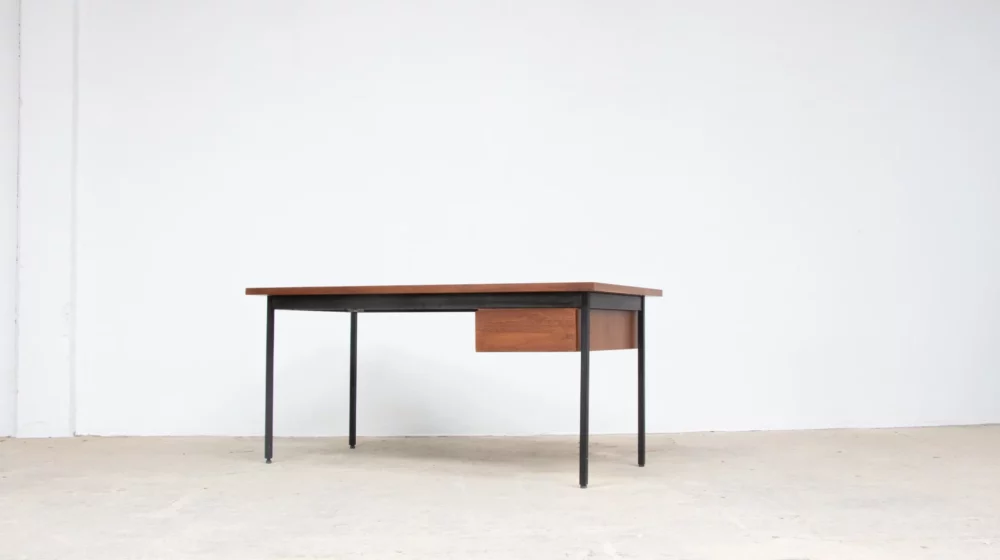
Florence Knoll Teak Desk – Knoll International, 1950s
-
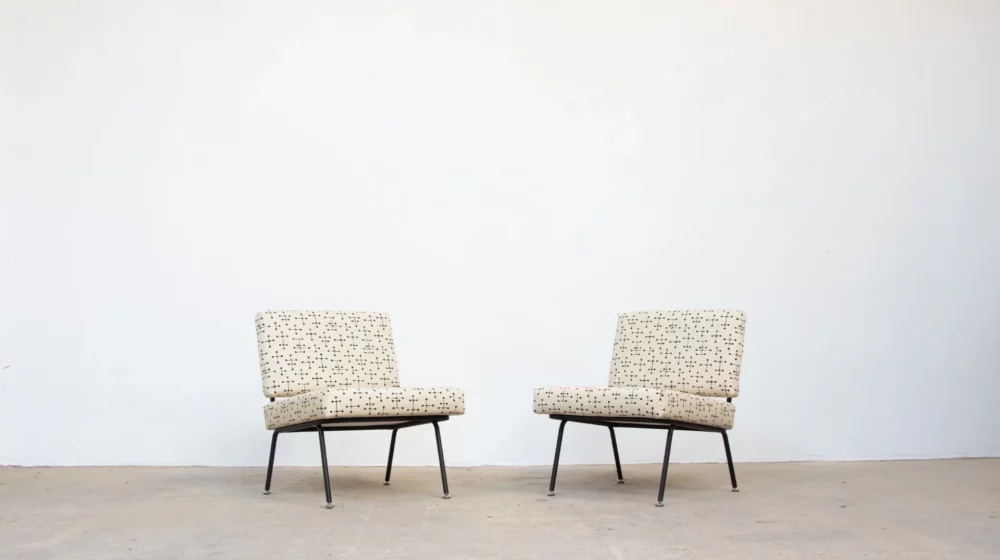
Florence Knoll Model 31 Armchairs — Eames Small Dot Pattern by Maharam
-
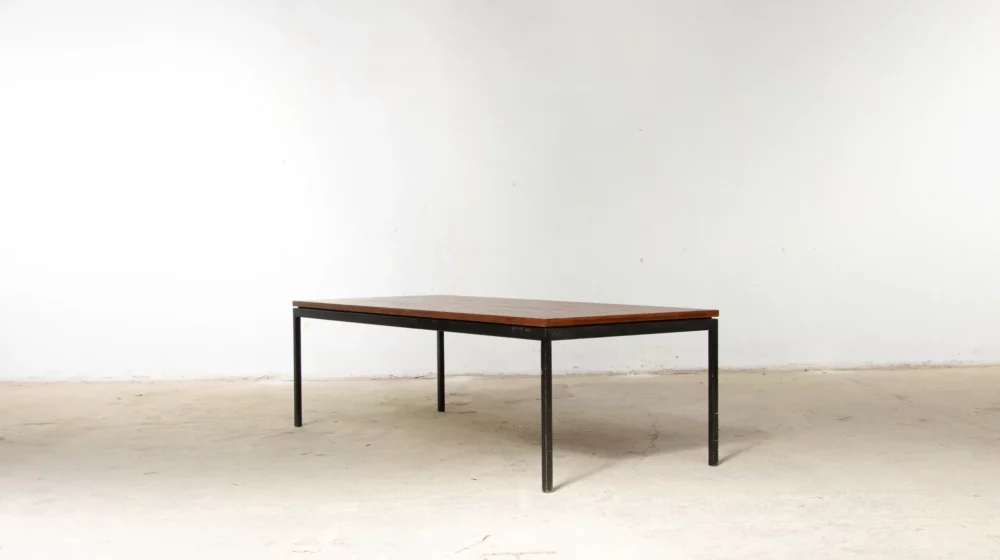
Florence Knoll Coffee Table for Knoll International, 1950
-
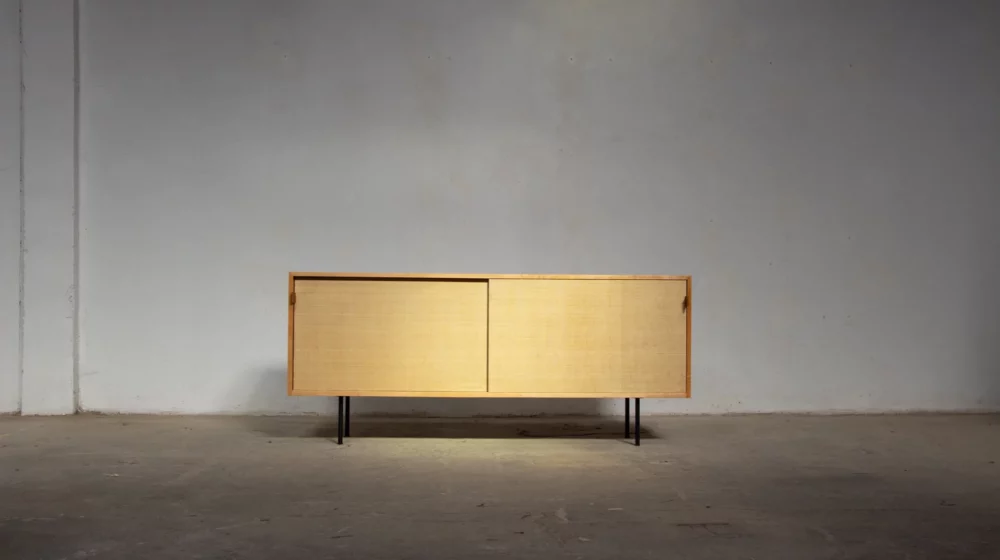
Florence Knoll Model 116 sideboard in raffia – Knoll International | Rare model. 1950
-
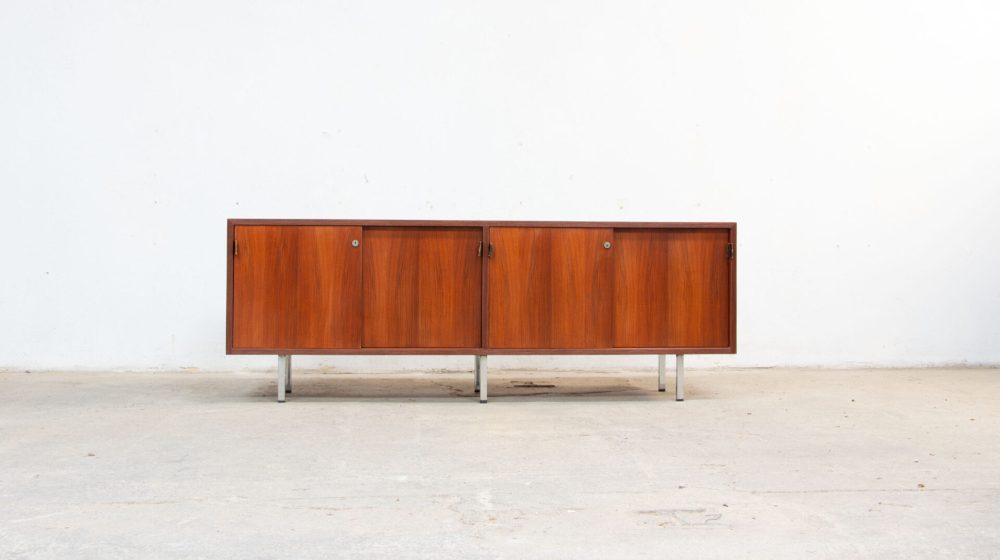
Florence Knoll sideboard for Knoll International, 1960s
-
 SOLD
Florence Knoll 2-Seater Bench for Knoll International
-
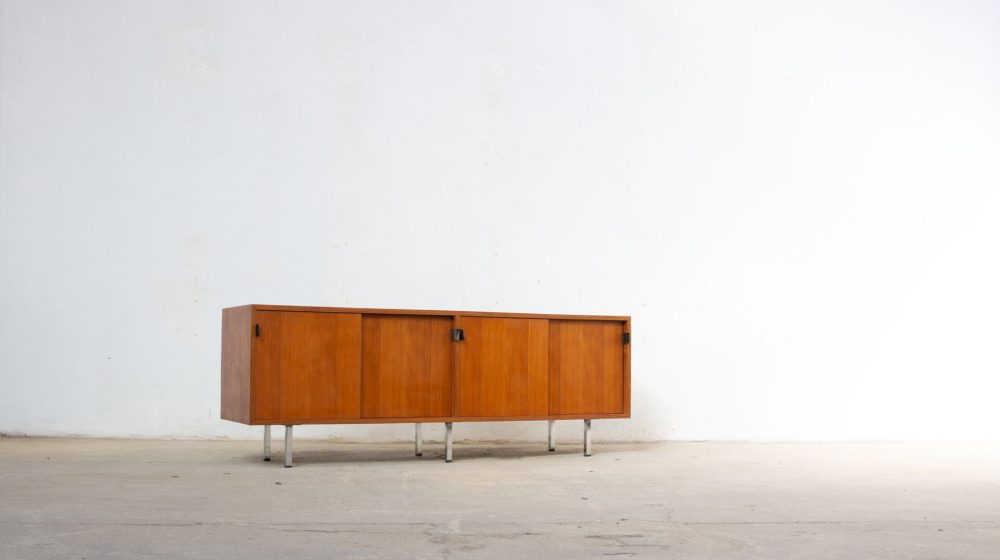 SOLD
Florence Knoll sideboard for Knoll International, 1970s
-
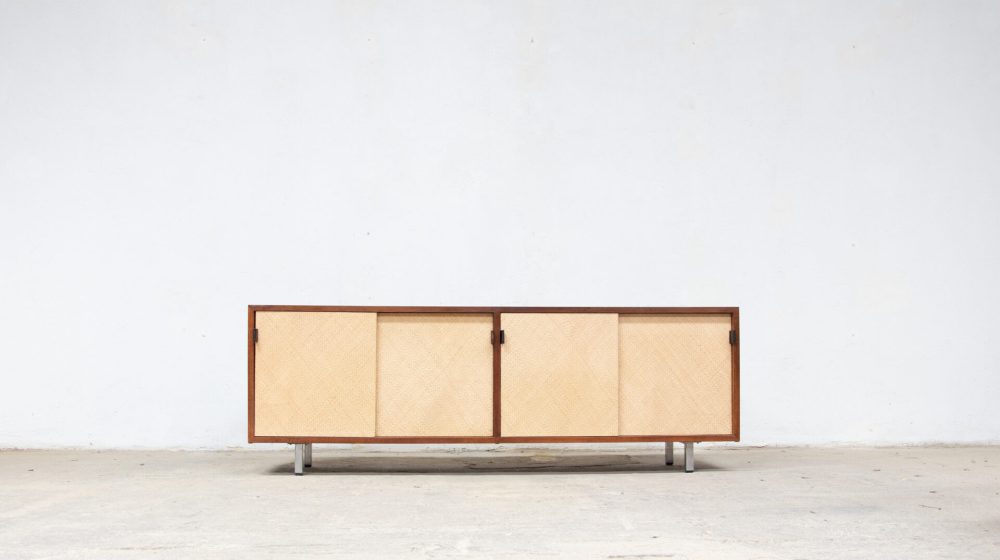 SOLD
Florence Knoll sideboard for Knoll International, 1960s
-
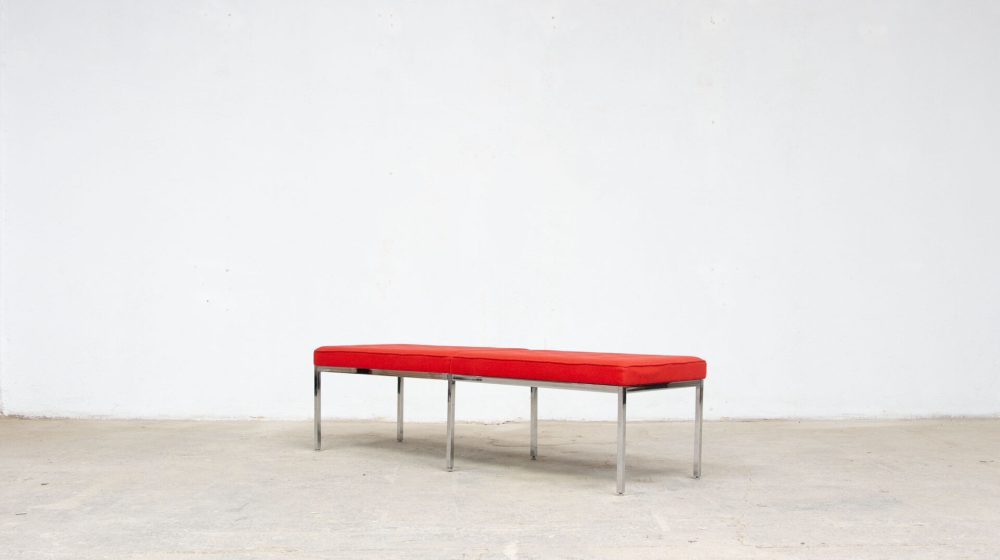 SOLD
Florence Knoll Bench for Knoll International
-
 SOLD
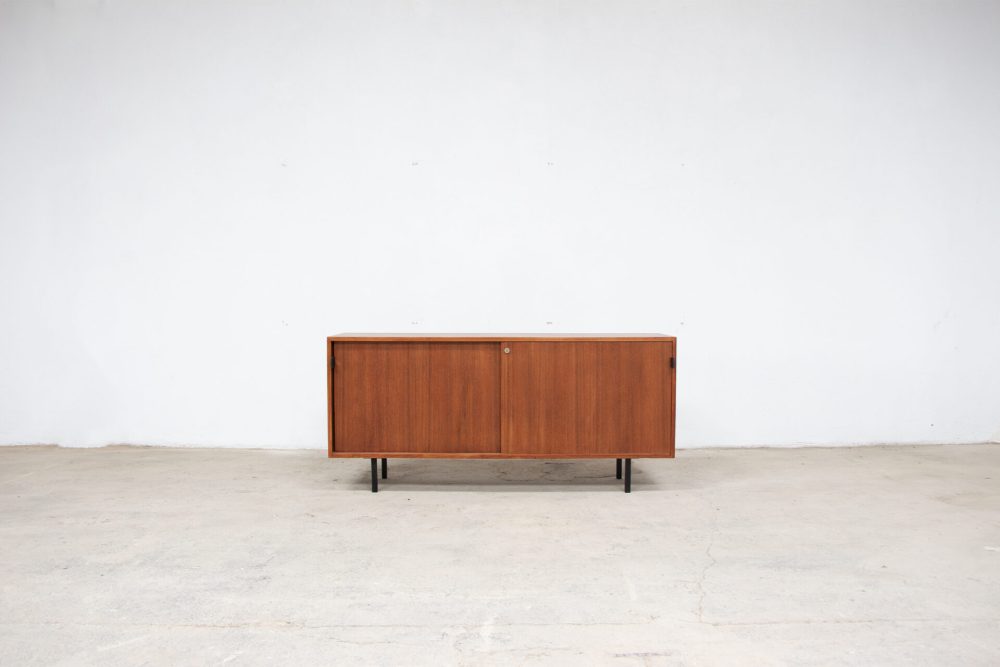
Enfilade vintage Florence Knoll pour Knoll International


